“All Scripture is given by inspiration of God, and is profitable for doctrine, for reproof, for correction, for instruction in righteousness, that the man of God may be complete, thoroughly equipped for every good work.” — 2 Timothy 3:16-17
St. Paul Lutheran School and Preschool students gathered for a special Reformation Day chapel service on Oct. 29, welcoming Guest Pastor Matt Duerr to share the story of Martin Luther and the principles that shaped the Protestant Reformation. But the learning doesn’t have to stop when chapel ends.
Principal Ruth Sebastian encourages families to build on what their children learned by making Scripture reading a regular practice at home.
“Society is accustomed to getting answers quickly from the internet, whether it’s through Google, social media, or ChatGPT,” Sebastian writes. “Even for spiritual matters, we often rely on what pastors say from the pulpit, what Christian authors write, or what our friends share on social media about what the Bible teaches. While these secondary sources can be helpful, they should never replace our own direct engagement with God’s Word.”
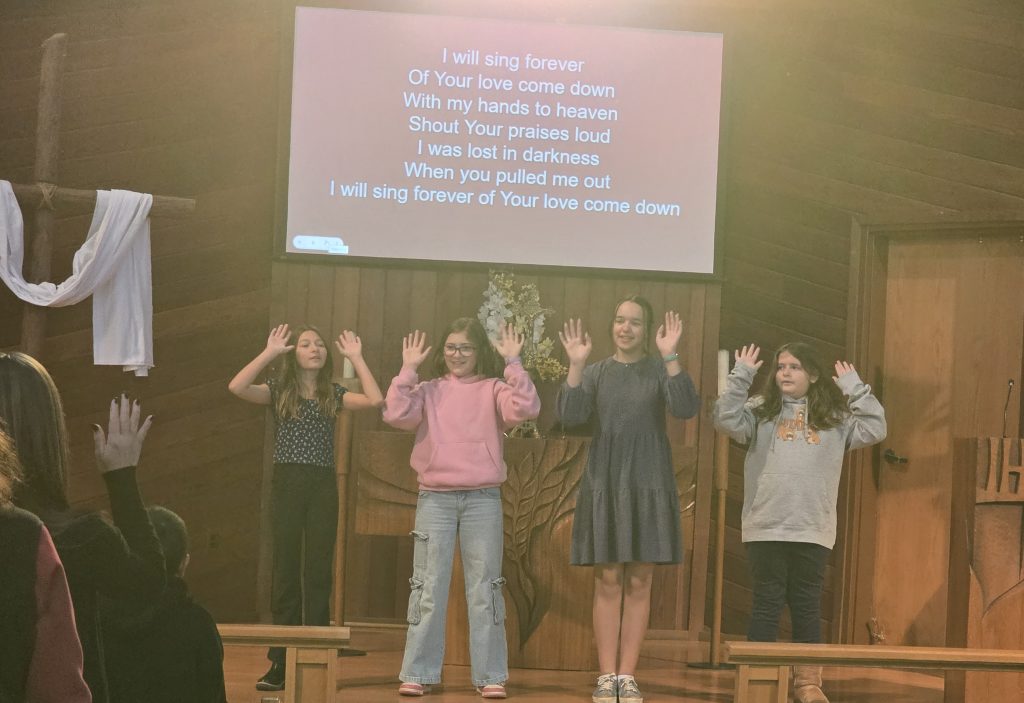
What Students Learned About Reformation Day
Pastor Duerr, retired from Zion Lutheran Church in Lodi, guided students through the historical events of Oct. 31, 1517, when Luther posted his 95 Theses on the church door in Wittenberg, Germany.
“The church door served as a community bulletin board,” Pastor Duerr explained, helping students understand that Luther’s famous act wasn’t as dramatic as sometimes portrayed, but rather a scholar’s invitation to discuss important theological concerns.
The chapel service centered on Luther’s “Five Solas,” five Latin phrases that capture the heart of Reformation teaching:
- Sola Scriptura — Scripture Alone forms the basis of our faith
- Sola Gratia — We are saved by God’s undeserved love (Grace) Alone
- Sola Fide — We are saved by Faith Alone
- Solo Christos — We are saved by Christ Alone
- Soli Deo Gloria — To God Alone be the Glory
Pastor Duerr shared how Luther, originally training to become a lawyer, turned to monastic life after surviving a frightening thunderstorm. As Luther studied Scripture — available only in Latin at the time — he recognized significant problems in church teaching and practice. Those problems were made possible by the fact that the only people who could read Latin at the time were usually Catholic clergy. The general public had to rely on their local priest to tell them what the Bible did and didn’t say.
Luther’s solution was to translate the Bible into German, so that everyone could read Scripture for themselves.
Why This Matters for Your Family
Sebastian explains that Luther’s discovery came through personal engagement with Scripture.
“Luther’s breakthrough came not from listening to another sermon or reading another commentary, but from wrestling with Romans 3:28 himself: ‘Therefore we conclude that a man is justified by faith without the deeds of the law.'”
This same principle applies to families today. When we rely solely on what others tell us Scripture says, several things can happen:
- We become vulnerable to error. Even well-meaning teachers can misinterpret or misapply God’s Word, Sebastian notes. “The Bereans were commended for searching the Scriptures daily to verify what even the Apostle Paul taught.”
- We miss personal revelation. God speaks to us individually through His Word. When we only hear Scripture filtered through others, we may miss what He wants to say specifically to our hearts and circumstances.
- We can’t adequately guide our children. How can we help our children navigate life’s challenges with biblical wisdom if we don’t know what the Bible actually says?
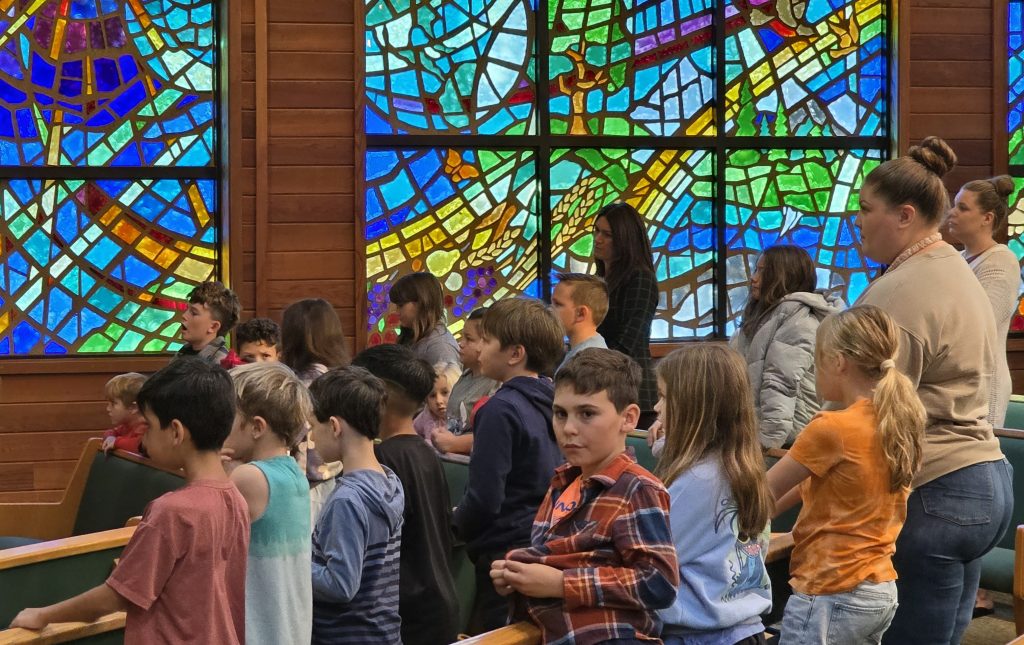
Practical Steps for Families
Sebastian offers concrete advice for families wanting to build on the Reformation chapel message at home:
- Start where you are. If Bible reading feels overwhelming, begin with just five minutes daily. The Gospels or Psalms are excellent starting points.
- Read with your children. Choose age-appropriate passages and read together. Let them hear you thinking through what Scripture means.
- Ask good questions. What is this passage actually saying? What did it mean to the original audience? How does it apply to our lives today?
- Use Scripture to interpret Scripture. When a passage is unclear, look for other biblical passages that address the same topic. The Bible is its own best interpreter.
- Pray for understanding. The Holy Spirit illuminates God’s Word for believers. Ask Him to help you understand what you’re reading.
“Our aim isn’t to make every family into biblical scholars, but to help parents and children develop the habit of going to God’s Word as their first and final authority. Our society needs families who can confidently say, ‘This is what Scripture teaches,’ not just ‘This is what I heard someone say about Scripture.'”
Principal Ruth Sebastian
Making It a Family Habit
“Our aim isn’t to make every family into biblical scholars, but to help parents and children develop the habit of going to God’s Word as their first and final authority,” Sebastian writes. “Our society needs families who can confidently say, ‘This is what Scripture teaches,’ not just ‘This is what I heard someone say about Scripture.'”
Pastor Duerr echoed this commitment, “I pray that both the teaching staff and the students will be drawn to the Bible, open it, study it and follow it. Only in it is found the way to salvation.”
This approach to biblical literacy connects directly to St. Paul’s educational mission. As families prepare for the challenges ahead, the school continues to build the foundation Luther championed — that God’s Word, accessible to all believers, must guide our faith and lives.
“This Reformation Day, let’s commit to the reformer’s conviction: God’s Word alone is our authority,” Sebastian encourages. “Let your children see you wrestling with Scripture, applying it to your daily decisions, and finding comfort in its promises. After all, faith comes by hearing, and hearing by the Word of God.”
St. Paul School and Preschool is accredited by the Western Association of Schools and Colleges (WASC) and National Lutheran School Accreditation (NLSA). For more information about our Christ-centered education, contact the school office at 209-383-3302.