Too many parents believe they must sacrifice academic excellence for spiritual formation — or vice versa. At St. Paul School and Preschool, we’ve proven this assumption wrong for over 30 years.
“Families should never feel the pull to sacrifice faith for academic excellence, or academic excellence for faith,” says Principal Ruth Sebastian. “Our teachers combine the two so naturally that it’s impossible to see where one ends and the other begins.”
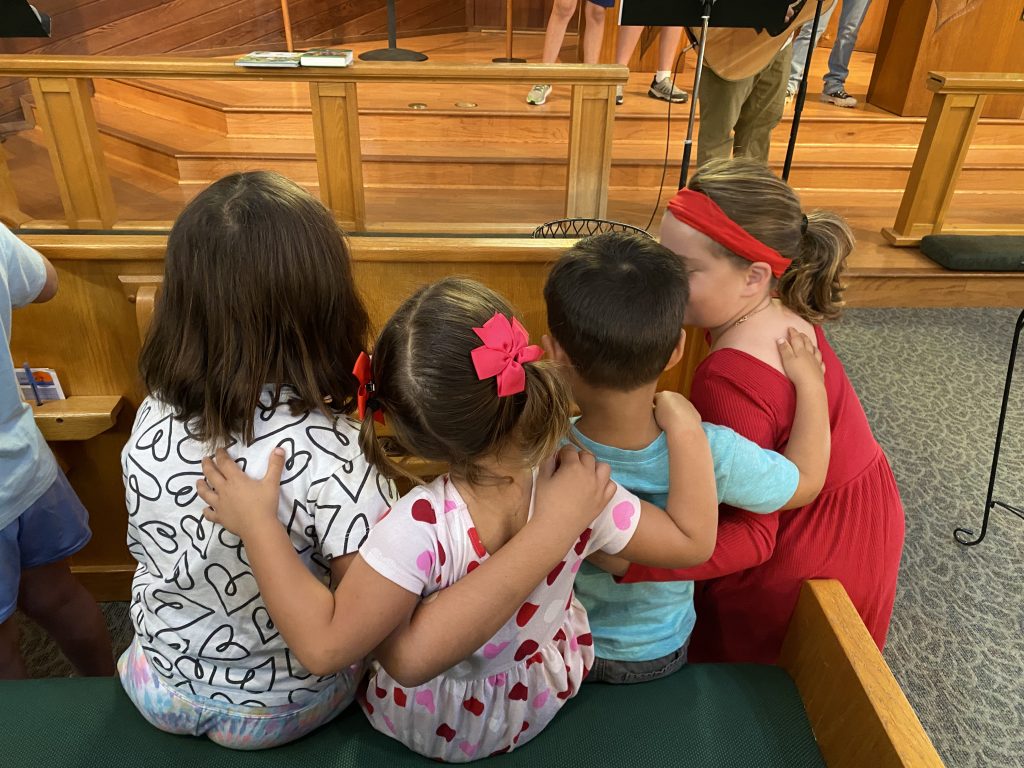
The Research Behind Our Approach
Educational research consistently shows that the most effective learning environments share several key characteristics: personalized attention, consistent values, parent involvement, and a strong sense of community. St. Paul intentionally includes each of these elements.
Small Class Sizes Matter
Studies show that reduced class sizes lead to improved academic outcomes, particularly in the early grades. And while some of the benefits come from numbers alone — there’s less competition for a teacher’s time and attention in a class of 15 vs. a class of 30 — it’s our priorities that set St. Paul apart from other schools with small class sizes.
Here at St. Paul, teachers take advantage of the opportunity to get to know each child at an individual level. It’s more than adjusting instruction to learning style.
Our teachers know whether a student does their best work in the morning or afternoon. They take into account a student’s busy sports schedule when noticing they are sleepier on Monday mornings. They also note which students need more physical activity after a day or testing and assessments.
By focusing on the whole child, we support our students in mastering content more thoroughly, which fosters stronger critical thinking skills.
“Families should never feel the pull to sacrifice faith for academic excellence, or academic excellence for faith. Our teachers combine the two so naturally that it’s impossible to see where one ends and the other begins.”
Principal Ruth Sebastian
Parent-School Partnership
We know family involvement is a key predictor of a child’s academic achievement and social development. The research is undeniable.
At St. Paul, parents are essential partners in their child’s education. We know you are your child’s first and best teacher. We feel privileged to be an invited partner. From classroom volunteers to family events, we create multiple touchpoints for meaningful engagement for you, grandparents and other trusted adults in your child’s life.
While we encourage parents, grandparents, aunts, uncles, cousins, siblings, babysitters, and family friends to join Chapel services and school events, we also encourage our students to make school a family activity.
Don’t be surprised to find out your student’s history homework centers on your family’s cultural background, or for them to be encouraged to try out science experiments at home.
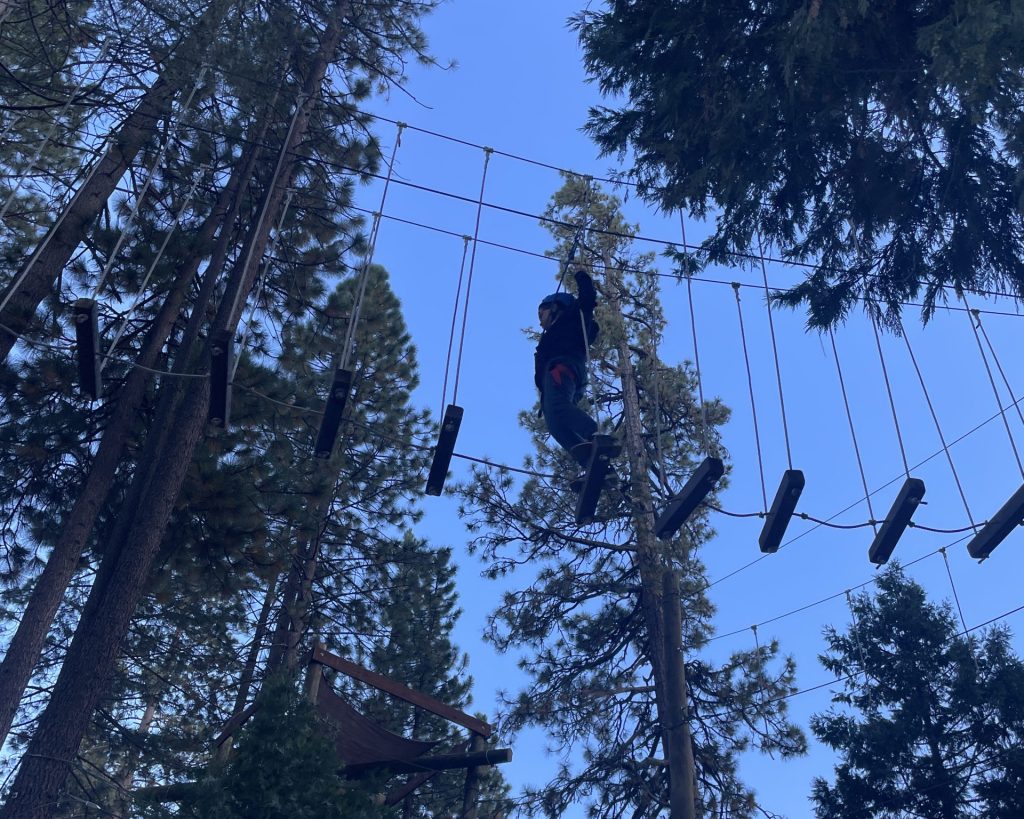
Beyond Common Core: Our Academic Approach
St. Paul’s curriculum exceeds California state standards through a rich, challenging program that builds knowledge systematically year after year. Our research-based approach ensures students develop both the knowledge and skills needed for future academic success.
“What I used to learn was battlefields, people, and memorizing tons of dates. Now I understand that these people in history needed to make decisions. I even make similar decisions each day.”
St. Paul Fifth-Grader
Student-Centered Learning Fosters Critical Thinking
“When I walk classrooms to see what each grade is doing, I’m hearing more student voice than teacher voice,“ notes Principal Sebastian. “It’s not ‘sage on the stage.’ It’s student inquiry, which is how kids learn.”
At St. Paul, students engage in inquiry-based learning, where they ask questions, explore possibilities, and apply their knowledge in meaningful ways. This approach is evident across all subjects:
- STEM — Every part of our science, technology, engineering and math curriculum focuses on real-world applications. Students are encouraged to hypothesize outcomes, and consider non-traditional approaches to applying what they learn in the classroom.
- Social Studies — It’s not just memorizing dates and names. Students consider why historical figures made decisions and apply those insights to modern-day challenges.
- Language Arts — Instead of only analyzing plot points, students discuss character motivations, predict future actions, and draw parallels to their own lives.
This inquiry-driven approach encourages critical thinking, deeper understanding, and real-world problem-solving. These are skills that prepare students for success beyond the classroom.
Our academic program features:
- Sequential Learning — Each year builds upon previous knowledge in a carefully designed progression
- Connected Subjects — History, science, literature, and the arts connect meaningfully rather than existing as isolated subjects
- Rich Content — Students engage with classic literature, significant historical events, and fundamental scientific concepts
- Regular Assessment — We track progress through both formative and summative assessments to ensure mastery
- Technology Integration — Students learn to use digital tools effectively while maintaining focus on core skills
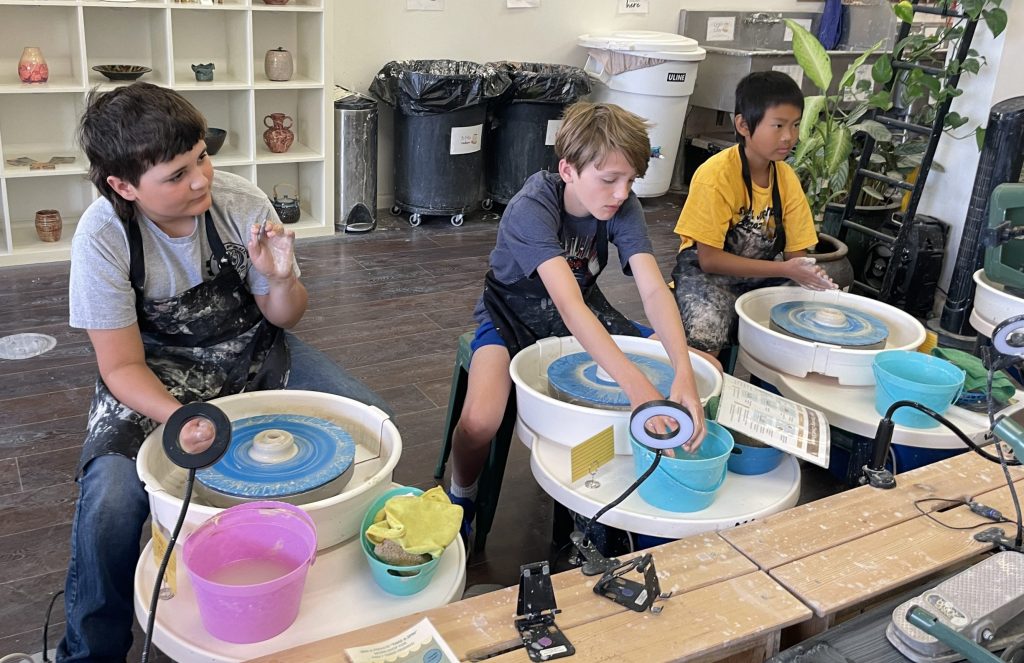
Taking Learning Beyond Textbooks
Schools love to talk about curriculum. But the curriculum (or brand of curriculum) doesn’t teach students any more than blueprints build a house. Curriculum is a tool that can guide instruction, but when it comes to using instruction to transfer knowledge, you need a teacher who can apply their experience to each student.
“People who write curriculum haven’t met our kids,” Principal Sebastian explains. “That’s where our teachers come in. They know how to encourage each student to push beyond what they think is possible. And how to apply what they are learning in new and different ways.”
At St. Paul, we go deeper and wider rather than simply advancing students to the next grade level. For example, if a sixth-grader excels in math, we don’t move them straight to 7th-grade material. Instead, we help them explore 6th-grade concepts at a higher level, applying their knowledge in interdisciplinary ways.
You might see that student advancing their knowledge by:
- Explaining concepts they’ve mastered to others, learning to explain what they know in ways peers and adults can understand.
- Applying what they learn in class to real-world problems that require critical thinking and creativity.
- Exploring connections between subjects, like how historical events related to what was happening in science and the arts during that period of time.
One fifth-grader captured this shift perfectly: “What I used to learn was battlefields, people, and memorizing tons of dates. Now I understand that these people in history needed to make decisions. I even make similar decisions each day. For example, when people look for places to live, they need sources of food, water, and shelter. Knowing this about history, what I am learning seems so important.”
This is what we mean when we say we’re not just preparing students for the next grade level — but for life.
Taking Learning Beyond the Classroom
Our goal is to develop students who can adapt, innovate, and contribute meaningfully to the world around them. We know we’ve accomplished our goal when we see students:
- Move beyond asking “what” to asking “why.” This shift fosters curiosity and deep understanding, empowering them to make connections between their learning and the real world.
- Take ownership over their learning experience. Inquiry-based learning encourages students to assume responsibility over their education, building confidence and independence that lasts a lifetime.
- Understand their place in the world. Our students learn to think beyond their immediate environment, applying their knowledge to make a positive impact in their communities and beyond.
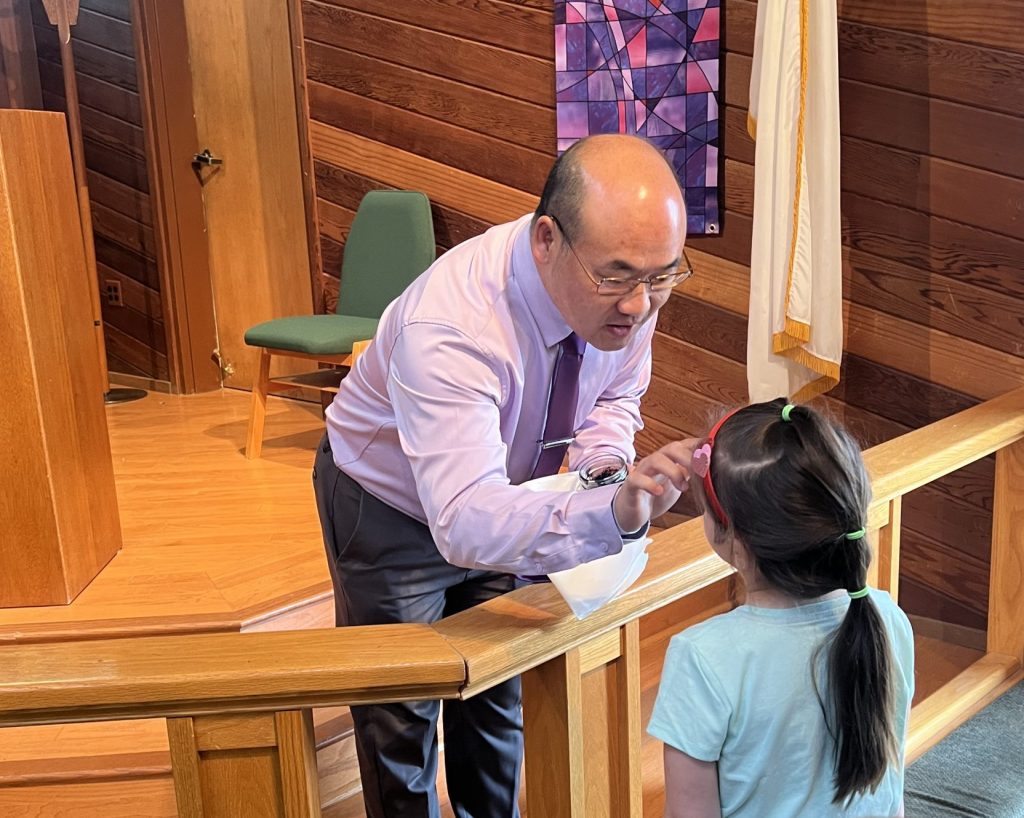
Academic Excellence Meets Spiritual Formation
Under Principal Sebastian’s leadership, St. Paul delivers academic rigor within a Christ-centered environment. Her unique background — public educator, teacher-librarian, educational consultant and university teacher prep instructor — brings valuable perspective to our approach.
Our graduates consistently demonstrate:
- Strong performance on standardized tests
- Advanced reading comprehension and mathematical reasoning
- Effective written and verbal communication skills
- Critical thinking and problem-solving abilities
- Confident leadership and collaborative skills
- Moral character and ethical decision-making
What Sets St. Paul Apart
At St. Paul, we believe education is about more than meeting standards. True education cultivates critical thinkers, compassionate leaders, and lifelong learners. Our unique approach combines:
- Inquiry-Based Learning — Encouraging students to ask questions, explore, and apply knowledge beyond the classroom.
- Deeper and Wider Learning — Helping students master grade-level content while expanding their understanding through real-world applications.
- Personalized Support — Leveraging small class sizes to tailor instruction and enrichment opportunities to each child’s strengths.
- Faith-Integrated Curriculum — Seamlessly blending academic excellence with spiritual formation, ensuring students grow both intellectually and morally.
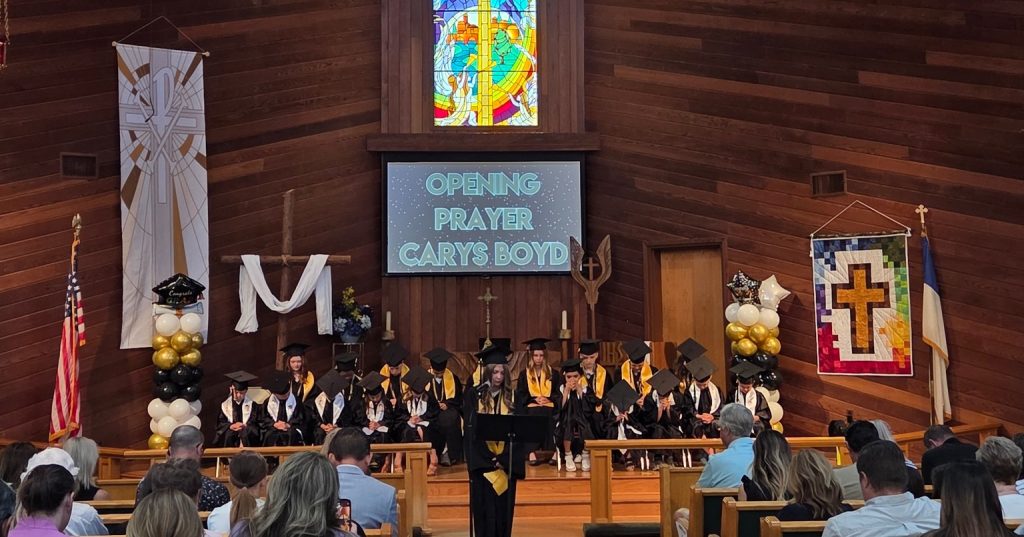
Our graduates leave St. Paul not only prepared for academic success but ready to make meaningful contributions as global citizens.
“We’ve watched Christian grow both academically and spiritually, nurtured by a Christ-centered environment that encourages curiosity, kindness and faith,” said Damien Galarza, whose son graduated from St. Paul in 2025. “His love for learning has flourished, and we’ve seen his confidence and character deepen as he’s embraced the values taught each day.”
Experience the St. Paul Difference
We invite you to discover firsthand how St. Paul School and Preschool can provide your child with an education that nurtures both heart and mind. We’re currently accepting applications for enrollment across all grade levels.
To schedule a personal tour or learn more about our admissions process, contact our Admissions Office at (209) 383-3302 or email school@stpaulmerced.com.
At St. Paul, we’re not just preparing students for the next grade level. We’re preparing them for life. Our graduates emerge as confident learners, critical thinkers, and compassionate leaders ready to make a positive impact in their community.
St. Paul School and Preschool is located at 2916 McKee Road in Merced and has been serving Central Valley families since 1991. The school is accredited by the Western Association of Schools and Colleges (WASC) and National Lutheran School Accreditation (NLSA).